Brown Bears, Humpback Whales, Sea Otters, Glaciers, and more
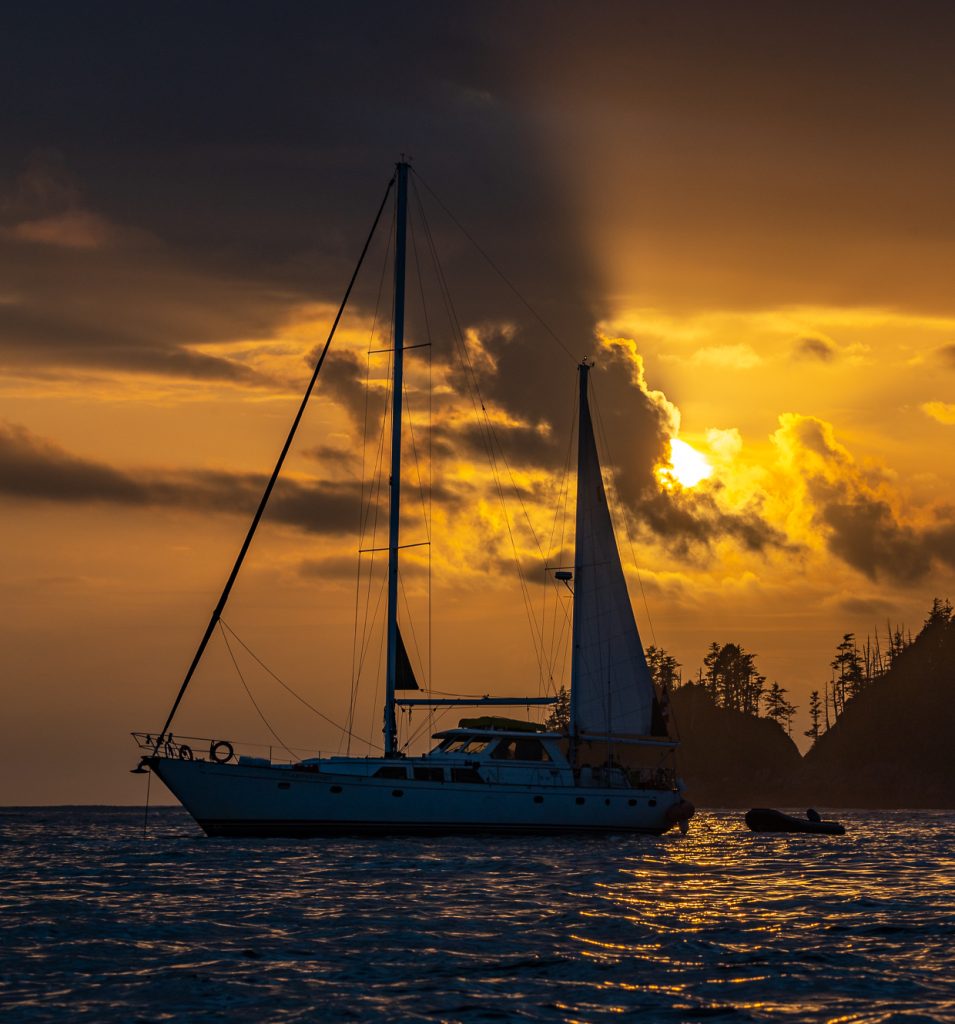
Join me on an epic 11-day sailing adventure aboard the well appointed expedition sailboat the Island Roamer. I only run three spring expeditions a year, and I chose this departure specifically because of the remoteness, impressive wildlife, and breathtaking world class photography opportunities. I hope you’ll join me on this epic trip.
Trip Dates: July 11th to 21st, 2027
Start point: Prince Rupert, British Columbia
End point: Petersburg, AK
CAD $11,150.00 per person + 5% GST
10 spots left
This trip is limited to 12 travelers. $1000 CAD deposit due at time of booking with the final balance due 90 days before the trip start.
Key Trip Highlights:
Exceptional Wilderness
The region we will be exploring is remote and only accessible by boat. Mountains, lush forest, glaciers touching the sea, bountiful wildlife. It’s a spectacular place to get away from it all.
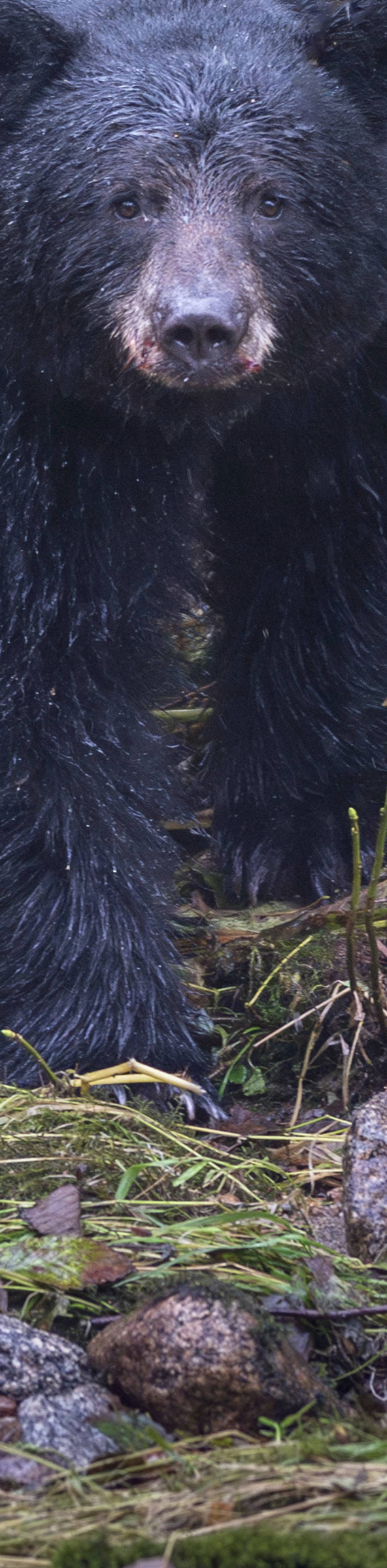
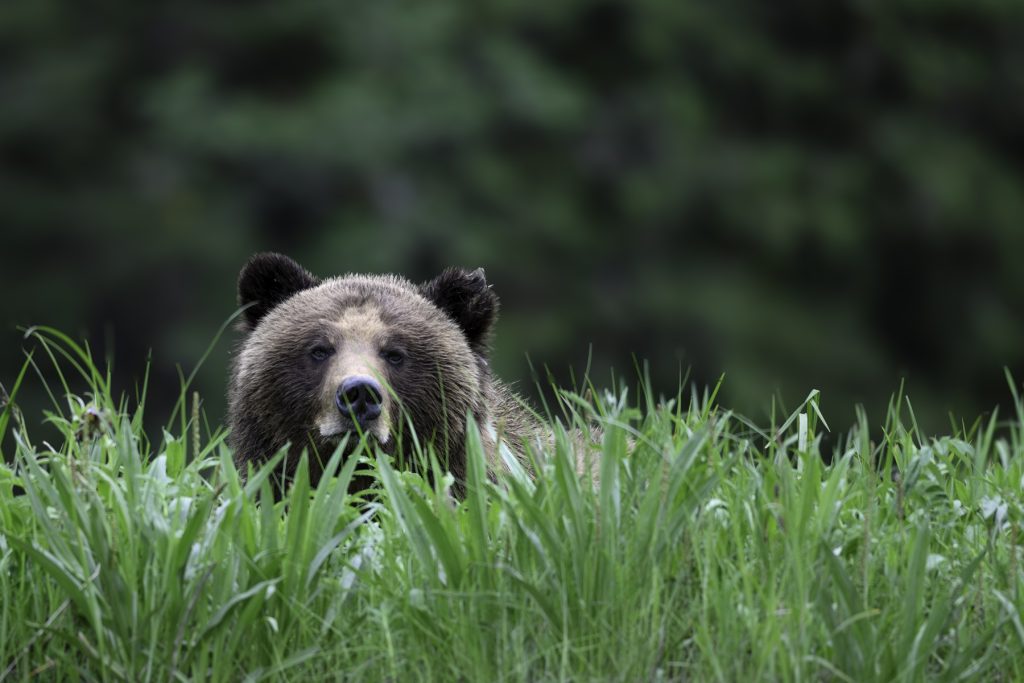
Alaska Brown Bear Viewing
We’ll be heading to shore to view bears in some of the highest concentrations of brown bears anywhere on Earth. The Brown Bears in this region are known to be some of the largest. There are maximum numbers of permits available for visiting these places, and we have those.
Humpback Whale Paradise
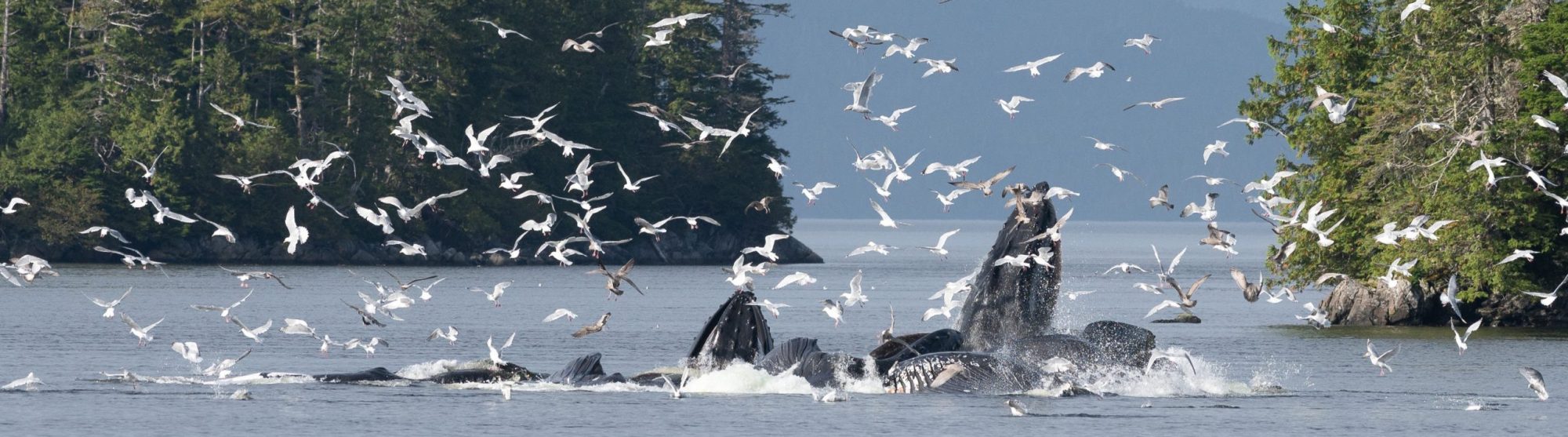
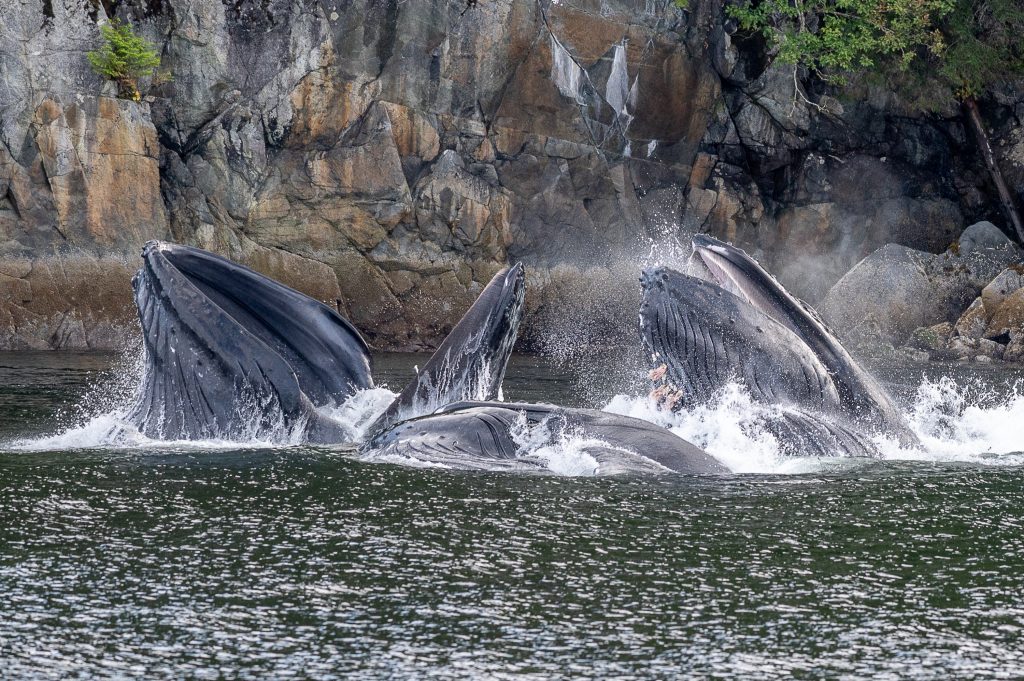
Humpback Whales make an annual migration from their breeding and calving grounds in Mexico and Hawaii in order to feed on the cold and food filled waters of Southeast Alaska. Tidal currents, long daylight hours, and nutrient rich waters provide the perfect scenario for highly productive waters. The Humpbacks will be eating over a ton of food each per day. Bubble-netting whales is our goal.
About Edward Savage
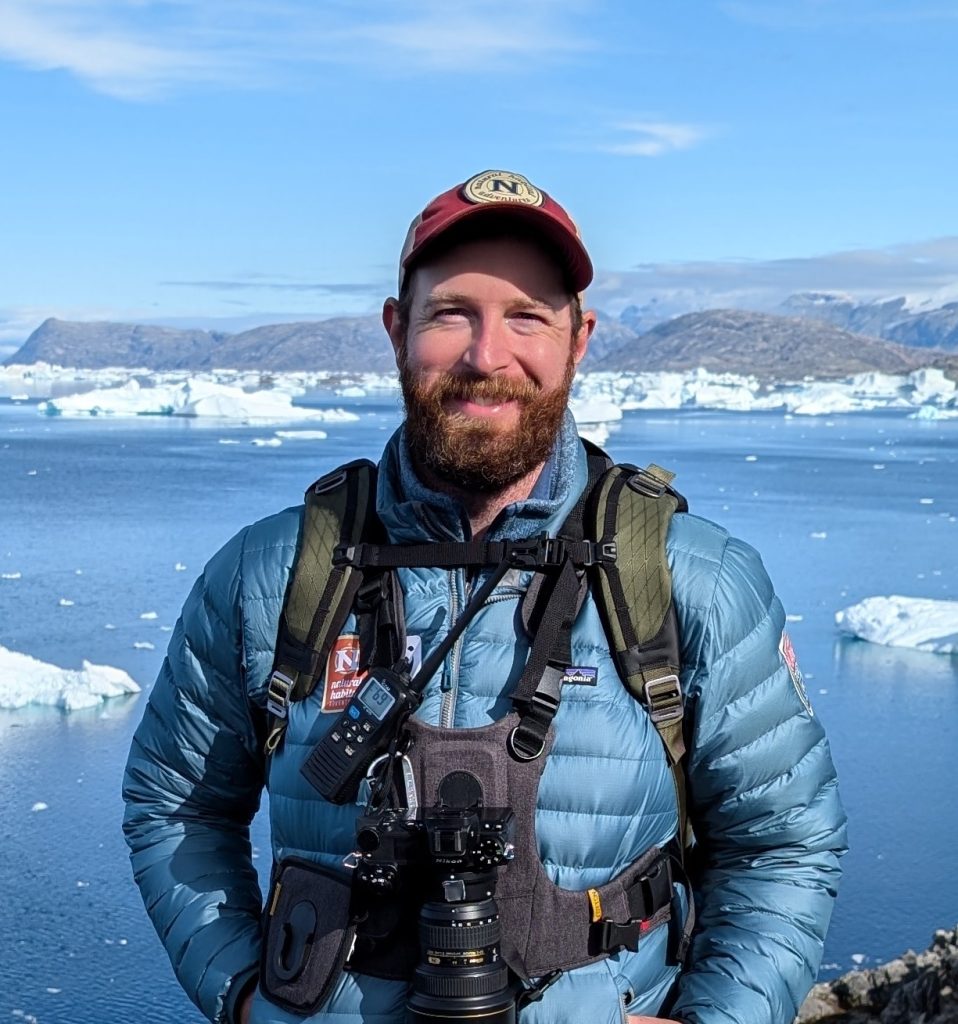
I am a career naturalist, photographer, and author based on Vancouver Island, BC. I have been leading wildlife focused expeditions across Canada and internationally for nearly 20 years. The backbone of my experience is in the coastal temperate rainforest on the West Coast of North America in search of grizzly bears, black bears, and marine mammals. In 2025, I published “Wild Bears of Canada”, a book filled with stories, knowledge, and over 150 high quality images of black bears, grizzly bears, and polar bears.
Sample Itinerary
Arriving in Prince Rupert – Please arrive to Prince Rupert on July 10th and overnight at accommodations of your choice. We leave in the late morning of July 11th and early morning flights into Prince Rupert are often subject to flight delays.
Fuel your adventurous spirit by roaming the historic downtown and vibrant Cow Bay, or step into the ancient past at the Museum of Northern British Columbia. Set inside a massive cedar longhouse, it guards ten millennia of indigenous history, rare artifacts, and untold stories of the wild North.
Day 1 – July 11th – We’ll head to the Island Roamer at Cow Bay Marina in Prince Rupert in the late morning. I’ll meet you at the top of the ramp and bring you down to the ship where we will meet the crew and get ourselves situated in our cabins. After a safety orientation, we’ll depart the marina and begin heading north into Chatham Sound. Snow-capped mountains and a myriad of islands characterize the beginning of our journey.
Day 2 to 10 – July 12-20 – As we journey past fjords, mountains, and islands, we’ll make key stops for some spectacular scenery. Wildlife abounds here, and we’ll make time to observe Humpback Whales, Sea Otters, shoreline grizzly bears or black bears, among other charismatic mega-fauna.
Anan Bay & Anan Creek – Fueled by the largest pink salmon run in Southeast Alaska, Anan Creek transforms into a wild feeding ground for eagles, seals, and apex predators. Access to this untamed sanctuary is limited, making our entry to the remote US Forest Service observatory a rare privilege. Get ready for a front-row seat to watch black and grizzly bears brave the same roaring rapids to hunt for their next catch.
Jet-boat to Le Conte Glacier – escorted by a local guide, we’ll embark on a day-trip to explore the remarkable Le Conte Glacier. This wall of ice spills down from distant mountains directly into the ocean. It is our opportunity to get up close and personal with the calved ice from a massive tidewater glacier. In the past 15 years, it has receded over two kilometers. As well, it is located nearby the Stikine River estuary, an important stop for millions of migratory birds.
Frederick Sound, Chatham Strait, and Stephens Passage – This region is the core Humpback Whale feeding area in Southeast Alaska. Cruising these wild straits, we’ll scan the horizon for towering spouts. We will be on high alert for breaches, spy-hopping, and the masterful teamwork of bubble-net feeding. Keep your cameras locked and loaded—you never know when a 15-meter leviathan will launch itself from the depths.
Sea Otters on the Rebound – Sea Otters were hunted to near-extinction for their luxurious pelts. International markets paid top dollar for the 100,000 hairs per square inch pelts. By the late 1800’s and early 1900’s they were nowhere to be found along most of the west coast of North America except a few remote pockets where they evaded the fur hunters. In the 1960’s, there were huge efforts to repopulate Sea Otters along the Alaskan coast, and now there are thought to be over 20,000 Sea Otters in southeast Alaska. We’ll keep an eye out for them, hoping to catch one with a pup on its stomach.
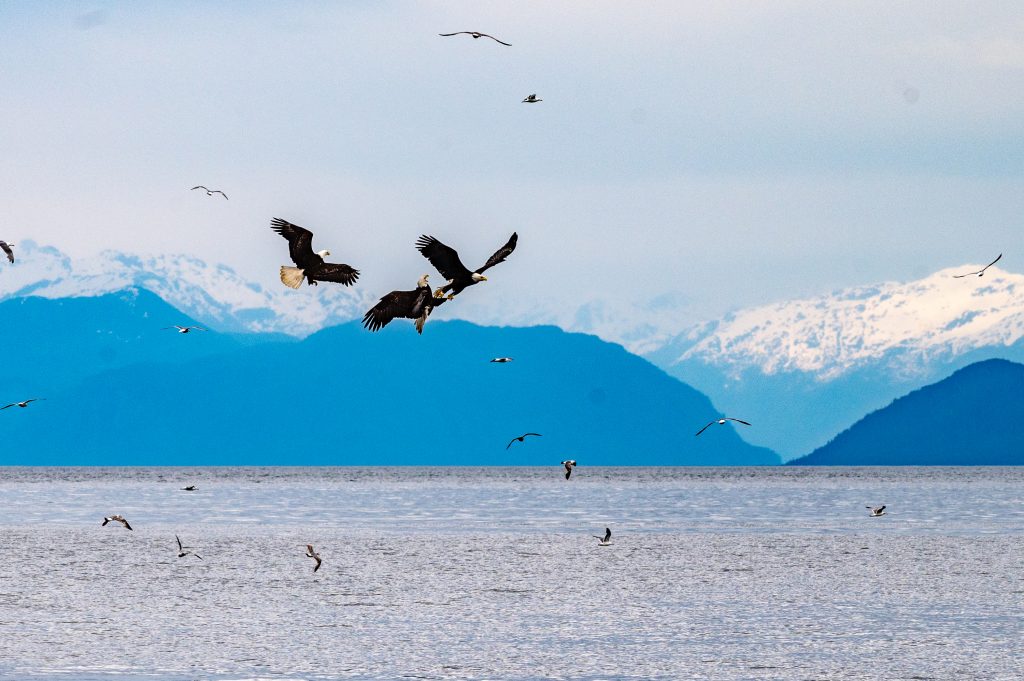
Admiralty Island National Monument – Admiralty Island National Monument has one of the highest concentrations of brown bears and eagle in North America. Anchoring nearby, we’ll keep an eye to the shore for brown bears, wolves, and other coastal scavengers. We’ll make a shore-excursion to Pack Creek: A protected area up Seymour Channel where only 24 people per day are allowed to visit. Admiralty Island is home to around 1500 bears, and we’ll hope to spot a few on shore.
Trip End – Petersburg, Alaska – Our expedition culminates late morning in the coastal outpost of Petersburg, Alaska. Nicknamed “Little Norway,” this charming frontier town offers one last chance to explore before clearing customs. From there, you’ll board a late-afternoon flight to Seattle.
Please note: Only a limited number of visitors are permitted to visit these bear viewing areas, daily, due to National Park restrictions. Access is dependent on our success in obtaining these permits for our guests.