POLAR BEAR TOURS
IN THE CANADIAN
SUB-ARCTIC
VISITING THE POLAR BEAR CAPITAL OF THE WORLD
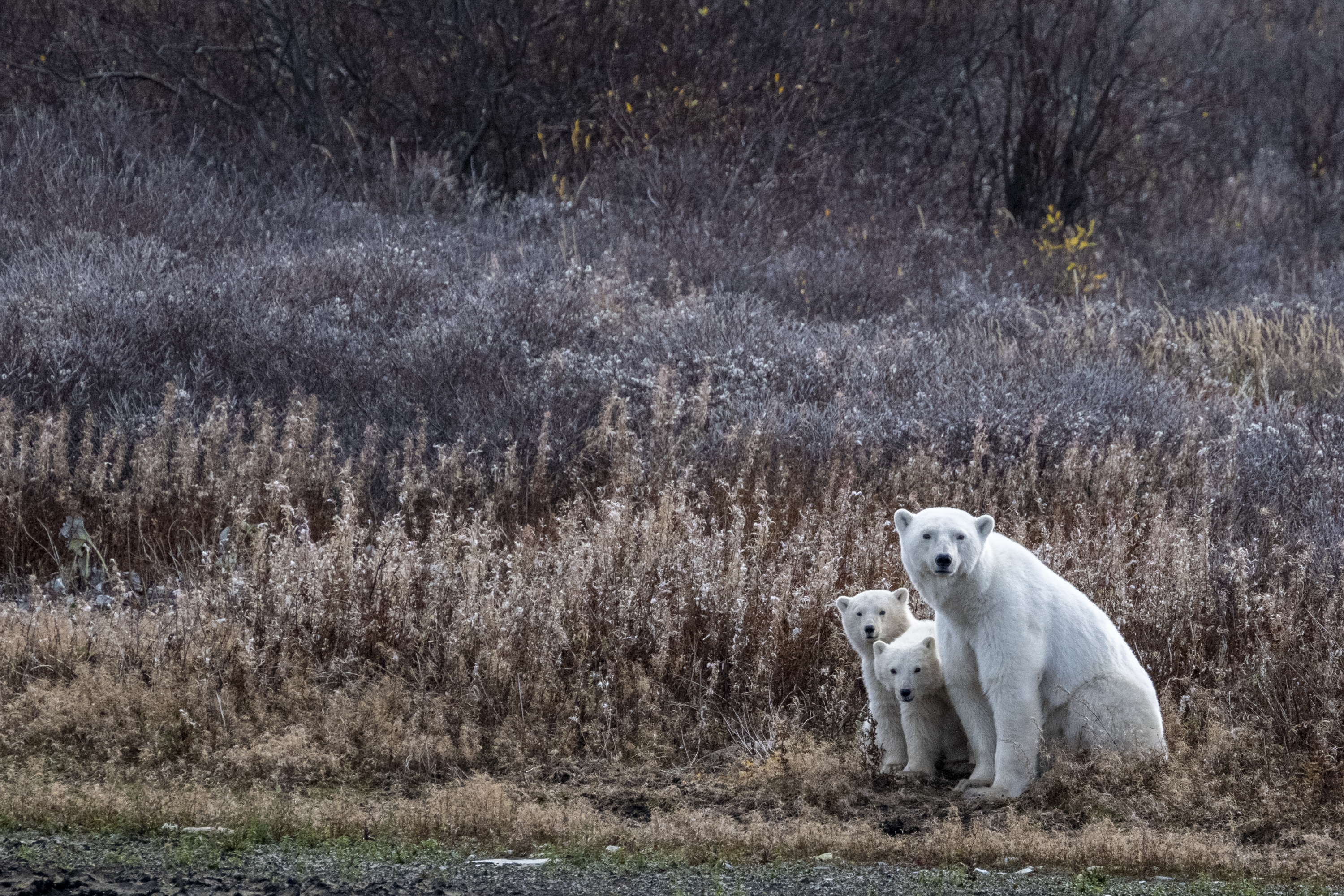
There is nowhere in the world quite like Churchill, Manitoba. The well named “Polar Bear Capital of the World” is home to one of the largest movements of polar bears anywhere on the planet. Hundreds of bears move their way through Churchill each year as they migrate from their summer resting areas to their fall “ice-waiting” area. The coastline of the Hudson Bay in the Churchill vicinity is where they wait. Specialized vehicles, expert guides, and a community that is welcoming and with big hearts, Churchill, Manitoba, Canada is the best place to have a spectacular, safe, and world-class experience observing polar bears in the wild.
Naturalist, Photographer, and Author, Edward Savage has been traveling to Churchill for a decade. He leads up to five expeditions each October and November.
SIX DAY TOURS
Six day polar bear tours are short, polar bear focused expeditions that spend three nights in Churchill. You’ll have two full days on specialized machines looking for polar bears and one four hour evening tour with dinner in the wildlife management area. They start and finish in Winnipeg and travel to Churchill is on a chartered aircraft.
6 day polar bear tour summary
Day 1 - Gear Lending + Meet & Greet at our hotel in downtown Winnipeg
Day 2 - Early morning charter flight to Churchill, Manitoba. We'll visit some town sights and have dinner on the tundra in a specialized tundra vehicle.
Day 3 & 4 - Full day in the Churchill Wildlife Management Area looking for polar bears and other wildlife aboard specialized tundra vehicles with restricted access permits to the area.
Day 5 - Dogsledding, around town sights, charter flight to Winnipeg, final group meal in Winnipeg at our hotel.
Day 6 - Shuttles to Airport / Departure Flights
This itinerary is all inclusive of meals, gear lending, hotels, transportation, and an expedition guide.
SEVEN DAY TOURS
Seven day polar bear tours are immersive in both polar bears and the town of Churchill. You’ll spend four nights in town, with multplie local presenters, tours, and other town immersive activities. You’ll have two full days on specialized machines looking for polar bears and one four hour evening tour with dinner in the wildlife management area.
7 day polar bear tour itinerary summary
Day 1 - Gear Lending and Meet & Greet in Winnipeg at our hotel.
Day 2 - Early morning charter flight to Churchill, Manitoba. Upon arrival we'll explore a few town sights, check into our hotel and later enjoy dinner on the tundra on a specialized tundra vehicle.
Day 3 & 4 - Full day in the Churchill Wildlife Management Area looking for polar bears and other wildlife. We'll connect with some local presenters in the evening each night.
Day 5 - Around town sights, meet local historians, experts, or cultural presenters, visit Parks Canada sites, National Historic Sites, and the Itsanitaq Museum (Inuit Art).
Day 6 - Optional Helicopter tours (1 hour flight), Dogsledding, charter flight to Winnipeg, final group meal in Winnipeg at our hotel.
Day 7 - Shuttles to Airport / Departure
This itinerary is all inclusive of meals, gear lending, hotels, transportation, and an expedition guide.
TUNDRA LODGE TOURS
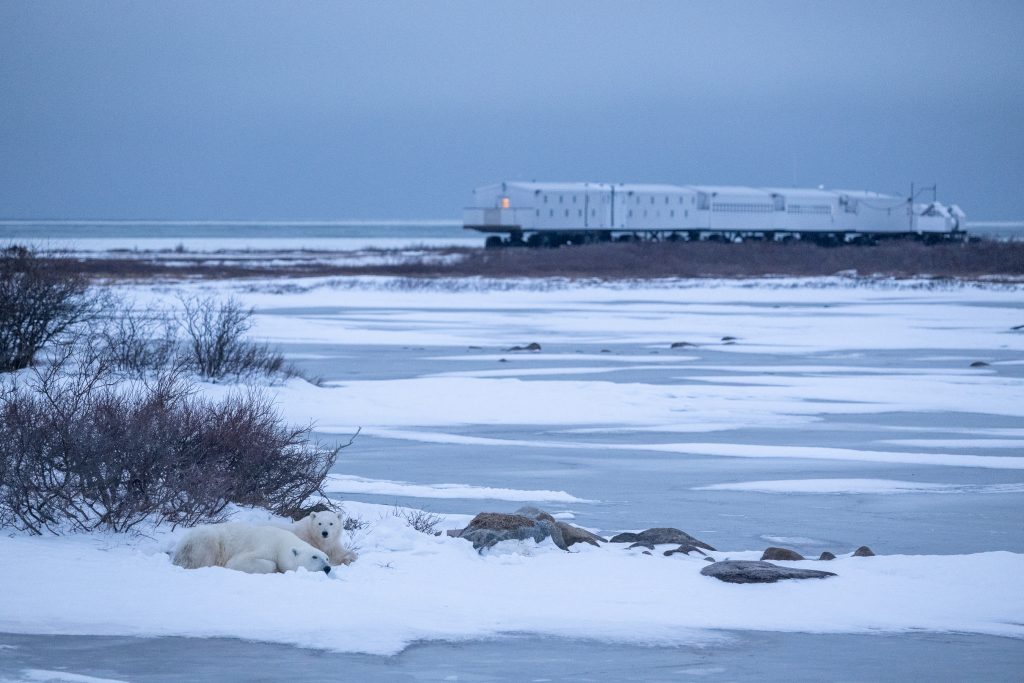
The Tundra Lodge is about a unique an experience as they come. The lodge itself is situated in the Churchill Wildlife Management Area and is the prime location to find polar bears. Oftentimes, a polar bear will come right up to the lodge to check things out. There is a dedicated crew including lodge manager, chef, sous chef, and polar rover driver. Rooms are all single rooms.
Tundra Lodge Itinerary Summary
Day 1 - Gear Lending + Meet & Greet / Orientation dinner at our hotel in Winnipeg
Day 2 - Early morning charter flight to Churchill, Manitoba. We take a private bus directly our to where we will meet our specialized polar rover. This afternoon we'll spend ~3-4 hours searching for polar bears and having lunch.
Day 3 & 4 (or 5)- 1/2 day on the tundra lodge (wildlife is often nearby and/or visible from the lodge) + 1/2 on the specialized tundra vehicle. The lodge is located in prime polar bear habitat and we don't often travel long before we're with wildlife.
Day 5 or 6 - Dogsledding, around town sights, lunch in Churchill, charter flight to Winnipeg, and a final group meal at our hotel.
Day 6 or 7 - Shuttles to Airport / Departure Flights
POLAR BEAR TOUR FAQ
When is the best time to visit Churchill, Manitoba to see polar bears?
This is a common question - when are the bears in Churchill? Typically, the months of October and November are the best polar bear viewing months. Polar bears are the most active in Churchill as fall changes to winter. The polar bears are waiting for the sea-ice to freeze so they can head out onto the ice and resume hunting Ringed Seals. As temperatures plummet in October and November, the polar bears along the southwest coast of the Hudson Bay become more active, travel away from their summer resting areas, and start making their way closer to the coastline. This is where they are best viewed. |  |
What is the best way to travel to Churchill?
The two main ways people get to Churchill are by train or plane. There is no road to Churchill.
Train: You can jump on the train at a few different points on its route, depending on how long you'd like to stay onboard. From Winnipeg, it's two nights on the train and a 40+ hour journey. From Thompson, Manitoba it's 20+ hours and just one night on the train. There is a variety of cabin options ranging from just seats that recline, to curtained bunks, to private cabins. Check out the VIA Rail website for more details. Unfortunately, the train is often plagued with delays due to the harsh nature of the terrain the tracks are built through, however, in recent years there have been substantial rail improvements.
Plane: There are a few scheduled flights to Churchill with limited seats and they are operated by Calm Air. Many travelers come to Churchill on chartered aircraft which are usually booked and organized by their tour operator. October and November is the busiest time of year and seat prices can be a real premium. I've been chartering flights for a decade, and this is about as seamless an operation as you can imagine. My expedition team has a long-standing relationship with the charter company and we have a flight everyday of the season. It's fast, reliable, and private. |  |
Will I see a lot of polar bears?
Wildlife is wildlife, and so guaranteeing wildlife is always a challenge, however, I can say with confidence that after 10 years and around 50 or so expeditions to Churchill for polar bears, if you visit during the months of October and November you are likely going to have excellent sightings. I do recommend spending more than a couple of days though, as wildlife and weather don't always cooperate on the short term, but often work out in the long term. I suggest at least 3 or 4 nights in Churchill to ensure you get enough time out looking for polar bears and for nature to show up more than once for you. | 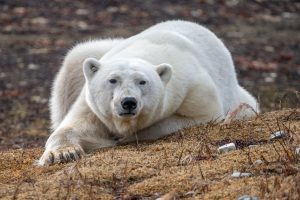 |
Can I also see the Northern Lights on a polar bear trip to Churchill?
Short answer: Yes. However, it can be a challenge to safely spend time photographing them. On these expeditions, our main focus is always daytime polar bear photography, and so northern lights is a secondary bonus. Generally, if the northern lights come out early in the evening, and we can secure a "bear-guard' with firearm to watch out for bears, we can go look for them. The best odds of seeing them tend to be at the tundra lodge where we spend our nights safely above ground on the lodge. Churchill is one of the best places to see the northern lights consistently. It is perfectly situated under the "Auroral Oval", which is active with aurora borealis more than 300 nights of the year. The main factor holding back good northern lights viewing during October and November is the general cloud cover and rainy or snowy weather. Otherwise, if we get clear skies, there is likely to be some northern lights in the sky. | 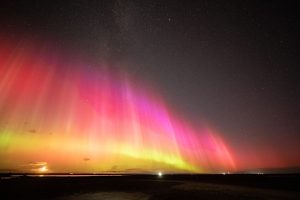 |
What is the weather like on a polar bear tour?
October and November are a transitional time of year. Early October departures will be warmer and daily highs might be around 6 to 12 C / 42 to 54 F. End of October and early November highs will be closer to freezing, or - 5 to + 5 C / 23 - 40 F. Mid to late November will likely be -5 to -15 C / 23 to 5 F. This time of year is also the wettest and cloudiest of the year. Regardless of whether you're expecting to travel in early October or late November, you should expect unpredictable weather. Churchill is, after all, situated at the edge of the Hudson Bay and subject to Arctic weather conditions at all times of the year. Edwards expeditions loan out winter boots and parkas at no extra charge - not everyone has something suitable sitting at home! | 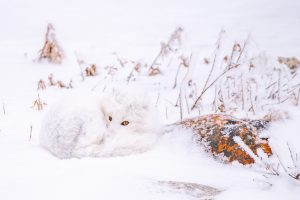 |
What is the general group size for a trip to Churchill to see polar bears?
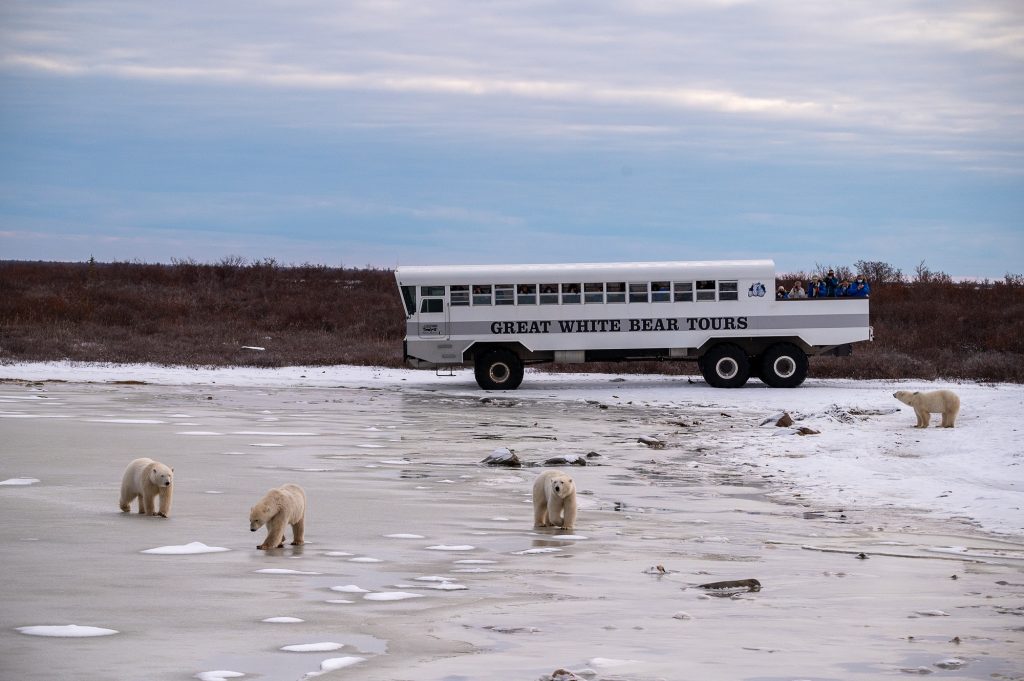
Group size is an extremely important part of travel. Large groups allow for the trip to be a bit less expensive but far less personal. Small groups allow for more trip leader to traveler time. Edwards polar bear photography tours are generally capped at 16 guests, with the exception being on specific tundra lodge based departures. Edwards expeditions utilize specialized all-terrain vehicles called "Polar Rovers". These vehicles seat ~36 people, and so each traveler has a window seat and ample space for storing their backpack / camera bag. These vehicles provide access to the Churchill Wildlife Management Area where all access is permitted and exclusive to vehicles with those permits (max 18 tundra vehicles). | 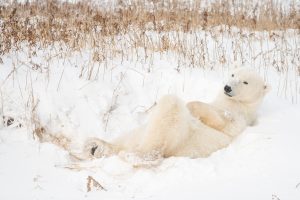 |
What other wildlife can be seen during a polar bear trip?
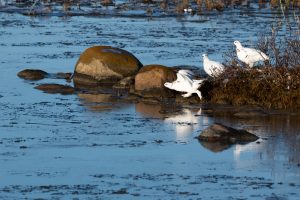
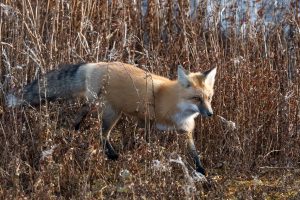
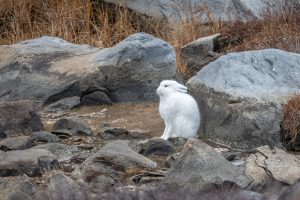
During the polar bear tour season of October and November, it's an interesting time for flora and fauna. It's a transitional time for all of the plants and animals. Migrations are occurring, fall colours are coming and going, and fur / plumages are changing. By far the most readily visible animal will be the Polar Bear. Otherwise, here is a non-exhaustive list of wildlife I've seen on a polar bear tour to Churchill, Manitoba.
| 
|
What camera equipment do you recommend for a polar bear tour?
Polar bears can be both close and far in Churchill, Manitoba. On my photography tours, I try to bring a reasonable selection of lenses to capture all moments. All of the polar bears interact differently with human presence and are always at varying distances. My favourite lenses have always been very sharp telephoto lenses. Here is my Polar Bear Photography Kit:
My "go-to" lens and camera selection will be the 100-400mm f4.5-5.6 because it is compact and lightweight and easy to move around. If something is really far away, I can add the 1.4x teleconverter to get a bit more reach. It's a good variety lens for changing scenes and environment. When we get a little bit more settled in on an animal, I may opt to use my extremely sharp and fast Sigma 120-300mm f2.8. I bring my 24-120 for daytime landscapes, or if we have animals really close. Additionally, for the odd night that has Northern Lights, I bring my Viltrox 16mm f1.8 for night photography.
If you don't have a mirrorless or DSLR set up, don't worry. Quite often the newer smartphones are good enough to get some shareable images of polar bears and the surrounding area. If you're going to bring a camera, I do suggest bringing something that has a reasonable telephoto zoom. There are a number of bridge cameras or point-and-shoots that are capable. I suggest the Sony RX100 series as an example. | 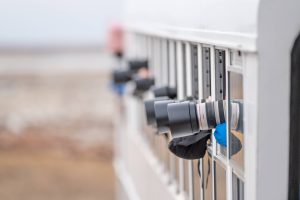
|