EXPLORE ICELAND
IN THE MOST
EXCEPTIONAL WAY
PHOTO EXPEDITION TO THE MOST SCENIC PARTS OF ICELAND
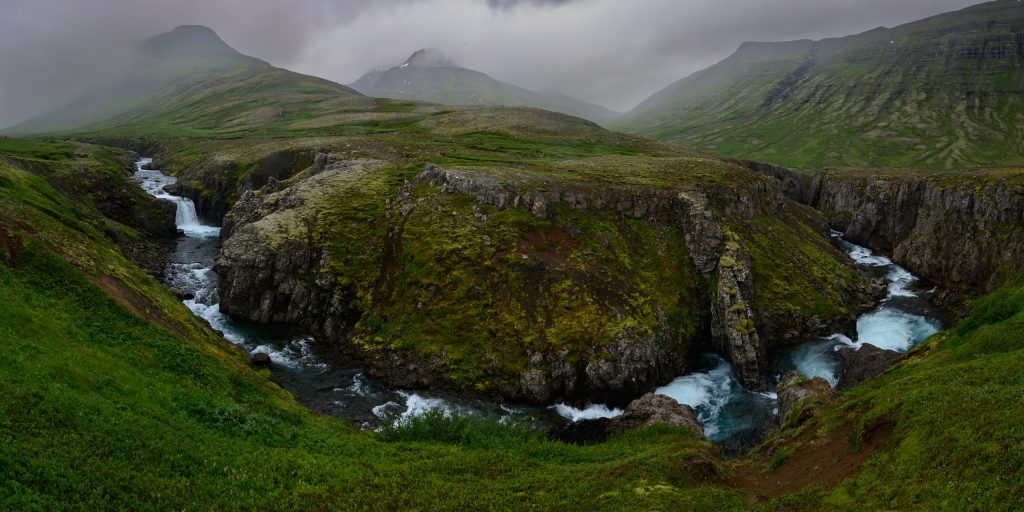
Striking volcanic landscapes, glacially battered geology, vast black sand beaches, huge ice sheets and glacial lagoons, colourful and fragile mosses and lichens, vibrant blooms of spring and summer wildflowers, wind torn rocky expanses, millions of migratory birds, and a rich culture and history make Iceland one of the most renowned global destinations for photography.
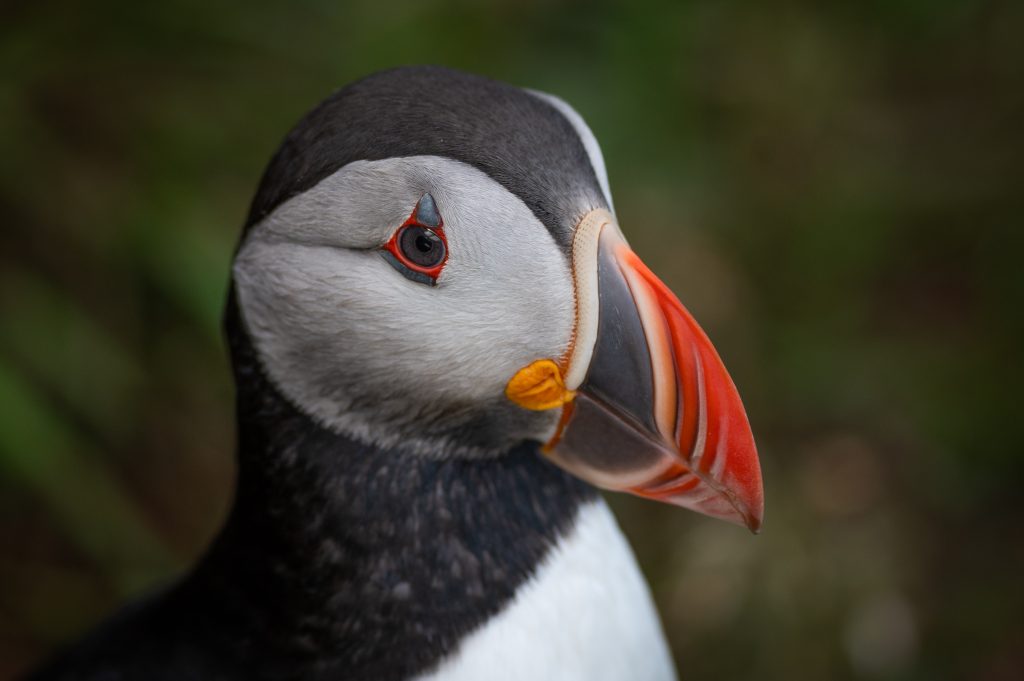
Edward Savage has been partnering with a local team to take travelers on an extraordinary photography expedition for many years. Scouted, designed, and honed by Edward, this tour focuses on getting you to the right place at the right time. The two week expeditions are typically scheduled in July and the main focus of the expedition is the landscapes of the Westman Islands, Highlands, South Coast, Glacial Lagoons, and East Iceland. Puffins included.
2026 SUMMER PHOTOGRAPHY IN ICELAND
*Sold out – please contact for waitlist*
July 3rd – July 14th, 2026
This expedition high-grades the sights and scenes of Iceland with the keen photographer in mind. Highland exploration, custom boat tours for gannets and puffins, private flights, altered timeline to avoid crowds, flexibility to chase the best light and weather, a local Icelandic guide, and a private bus for the duration.
Maximum Group Size is 9 travelers
Iceland Photo Tour Itinerary Summary
This itinerary is generally scheduled to depart later in the morning and stay out later at night. Summer sunset times are between 11pm and 1am, and staying out later gives us some beautiful evening light.
Day 1 - Meet the group in Reykjavik for a trip orientation at a local restuarant, overnight downtown Reykjavik
Day 2 - Depart in the morning to catch ferry to Westman Islands. Private RHIB charter (2hrs) for Northern Gannets and Atlantic Puffins. Once back on Westman Islands we'll search for more puffins on foot. Stunning landscape photography and views of Eyjafjallajökull Volcano. Catch late ferry back to mainland Iceland. Late check-in to hotel.
Day 3 - 4x4 exploration of the central Highlands. We'll visit the colourful mountains and valleys of the Landmannalauger / Fjallabak region. Late back to hotel.
Day 4 - South Coast highlights including Seljalandsfoss, Skogafoss, Kvernufoss, Dyrhólaey Peninsula (Puffin opportunity), Reynisfjara Beach, Vik, Katla Geopark, and our first glimpses of Vatnajokull National Park. Overnight near Jökulsárlón
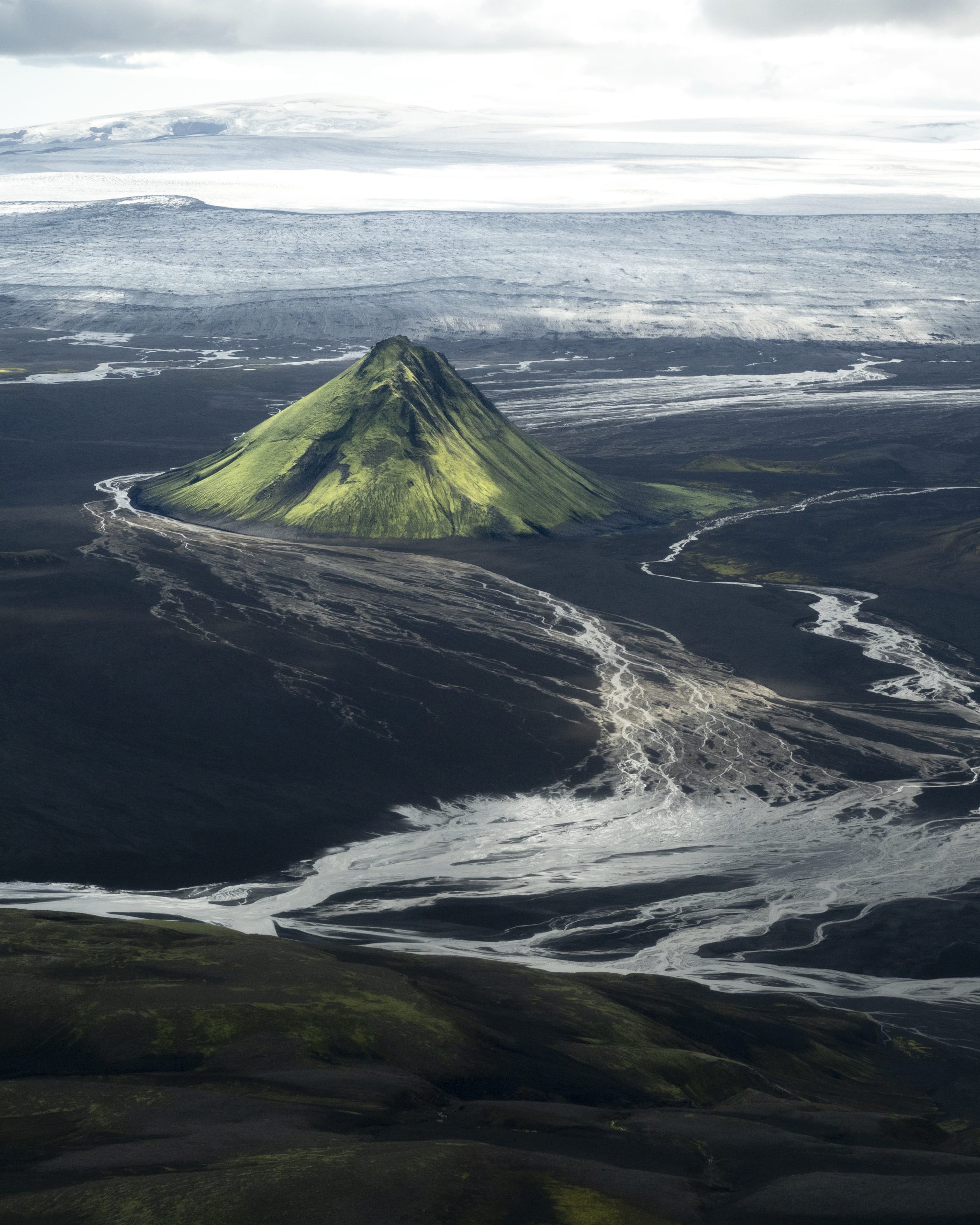
Day 5 - Two hour private chartered flight over Skaftafell area, braided riverbeds, outlet glaciers, Laki eruption site, Landmannalauger, Maelifell, and more. We'll also visit some glacial lagoons on foot. After dinner we'll take advantage of the evening light at Jökulsárlón and Diamond Beach. Overnight near Jökulsárlón
Day 6 - Two hour private zodiac tour on Fjallsarlon glacial lagoon. Epic ice and glacier wall photography. Further exploration of the area. Overnight near Jökulsárlón
Day 7 - We leave the south coast and head to the Eastjfjords. Highlights on today's route (weather dependent): Vestrahorn / Stokksness Peninsula, Skutafoss, Eystrahorn, Djupivogur, and Breiðdalur. Overnight in Egilsstaðir.
Day 8 - In the morning we will explore the Lagarfljot area and visit a local farm for a private Iceland Horse photography session. In the afternoon we will drive to Borgarfjordur Eystri and visit an extraordinary Atlantic Puffin colony. We will spend >4 hours at the puffin colony focusing on getting every shot imaginable of an Atlantic Puffin. Overnight in Egilsstaðir.
Day 9 - Most of our day will be focused in Mjoifjordur, or the "narrow fjord". We'll take a gravel road past canyons, waterfalls, and mountains stopping to catch some great landscapes. The head of this fjord is like an amphitheater of waterfalls. After our time exploring Mjoifjordur, we'll venture back to the highlands to the 2nd largest farm in Iceland. Overnight at Modrudalur
Day 10 - full day 4x4 exploring the eastern highlands. This region is in the rain shadow of the Vatnajokull ice sheet and is dry, dusty, and prone to high winds. The battered volcanic landscape is striking in colour, shape, and texture. We'll see out oasis', crater rows, waterfalls, canyons, and more. Overnight Modrudalur.
Day 11 - Leaving early from our lodgings, we'll visit Europe's most powerful waterfall: Dettifoss. A short walk away we'll also photograph Selfoss. From there, we'll visit the Hverarond / Namafjall Geothermal area, Krafla Viti Crater, and the Krafla Geothermal Plant. Further, we'll explore some of the lush Lake Myvatn region before driving to Godafoss for our final dinner as a group. After dinner, we travel to the city of Akureyri "the capital of the north" to catch a scheduled flight back to Reykjavik. Overnight downtown Reykjavik
Day 12 - Shuttles to Keflavik International Airport
2026 ECLIPSE TOUR – ICELAND
*Sold out – please contact for waitlist*
August 11th – August 22nd, 2026
This is a special departure that ensure we’ll be in the right area to view the Total Solar Eclipse. After the eclipse, we’ll continue focusing on landscapes, coastlines, migratory birds, and chasing the best light for our images.
Maximum Group Size is 9 travelers
2027 SUMMER PHOTOGRAPHY IN ICELAND
*Two departures, both beginning in July*
This expedition high-grades the sights and scenes of Iceland with the keen photographer in mind. Highland exploration, custom boat tours for gannets and puffins, private flights, altered timeline to avoid crowds, flexibility to chase the best light and weather, a local Icelandic guide, and a private bus for the duration.
Maximum group size is 9 travelers
ICELAND PHOTO TOUR FAQ (coming soon)
What is the best way to explore Iceland?
My tours utilize an 18 passenger 4x4 Mercedes bus. This vehicle gives us ample interior space for our camera equipment, and extra seats for the group of 9. Additionally, it has a sizeable trunk so we can carry our bigger bags inside the van instead of in a trailer.
You’ve probably heard of the Ring Road of Iceland somewhere. This paved and maintained road does a full loop through Iceland’s most populous regions. It’s kept open all year round, and has access to some stunning natural features. It’s the most popular route, a simple 7-10 day drive around the ring road. You’ll definitely accomplish some great things, but also compete with the majority of Iceland’s visitors.
With that said, the best of Iceland is often just off the Ring Road and requires a little bit more than a typical two-wheel drive city / highway car. I recommend something with 4x4 capabilities and decent clearance, especially if you’re wanting to explore the notorious F-roads into the highlands.
What are the accommodations like on your Iceland Photo Tour?
We can have long days, with lots of travel, scenic stops, walks, or other excursions and I find the best way to keep energy up is to stay in good hotels. When selecting the hotels for this trip, I based our accommodation on quick access to amazing places. For example, when we visit the Glacier Lagoons & Diamond Beach on the south coast, our hotel is only 10 minutes away from the lagoons. This makes it easy for us to check-in, grab some dinner, and then head back out for golden hour among ice bergs and mountains.
And so, the accommodation is well-appointed and well-located hotels.
What type of vehicle do you use on this tour?
Our main vehicle will be a 4x4 ~18 passenger Mercedes bus with tires that enable our access to F-roads. These buses are well maintained, reliable, and spacious. A bus this size also means we can keep our luggage in the trunk. Some smaller buses require a trailer for luggage, and this can lead to road / terrain access issues.
How big is your Iceland Photo Tour group?
The maximum group size is 9 guests, 1 local Iceland guide & driver, and myself.
One of my major considerations when planning this trip was the group size. This adventure requires flexibility, "stealthiness", and room for gear. Being photographers, we often have larger day-packs, or several packs, that come with us inside our vehicle. We need room for gear. We also need to be able to come and go from our excursions with relative ease, allowing us to speed up this process and get to more places in a day.
What is the weather like on an Iceland Photo tour?
The Weather. A serious topic when traveling to Iceland.
Iceland is an island situated in the North Atlantic. It is no doubt open to some interesting weather coming straight off the ocean. Even in July, we can expect cool to cold weather, especially if paired with wind and rain. Wind speeds I've experienced have ranged anywhere from light to over 100kmph (60mph). And, there are not so many trees to cut the wind down.
So, on any given tour, I'd expect to experience the following:
- High winds
- Blowing sand / dust
- Rain of vary amounts
- Fog
- Overcast
- Sunny warm weather
- And, rarely, snowfall up in the highlands
The weather of Iceland also makes it quite a dynamic and dramatic place for photography. The weather can add a lot to landscapes.
What wildlife can you see on a summer Iceland Photo Tour?
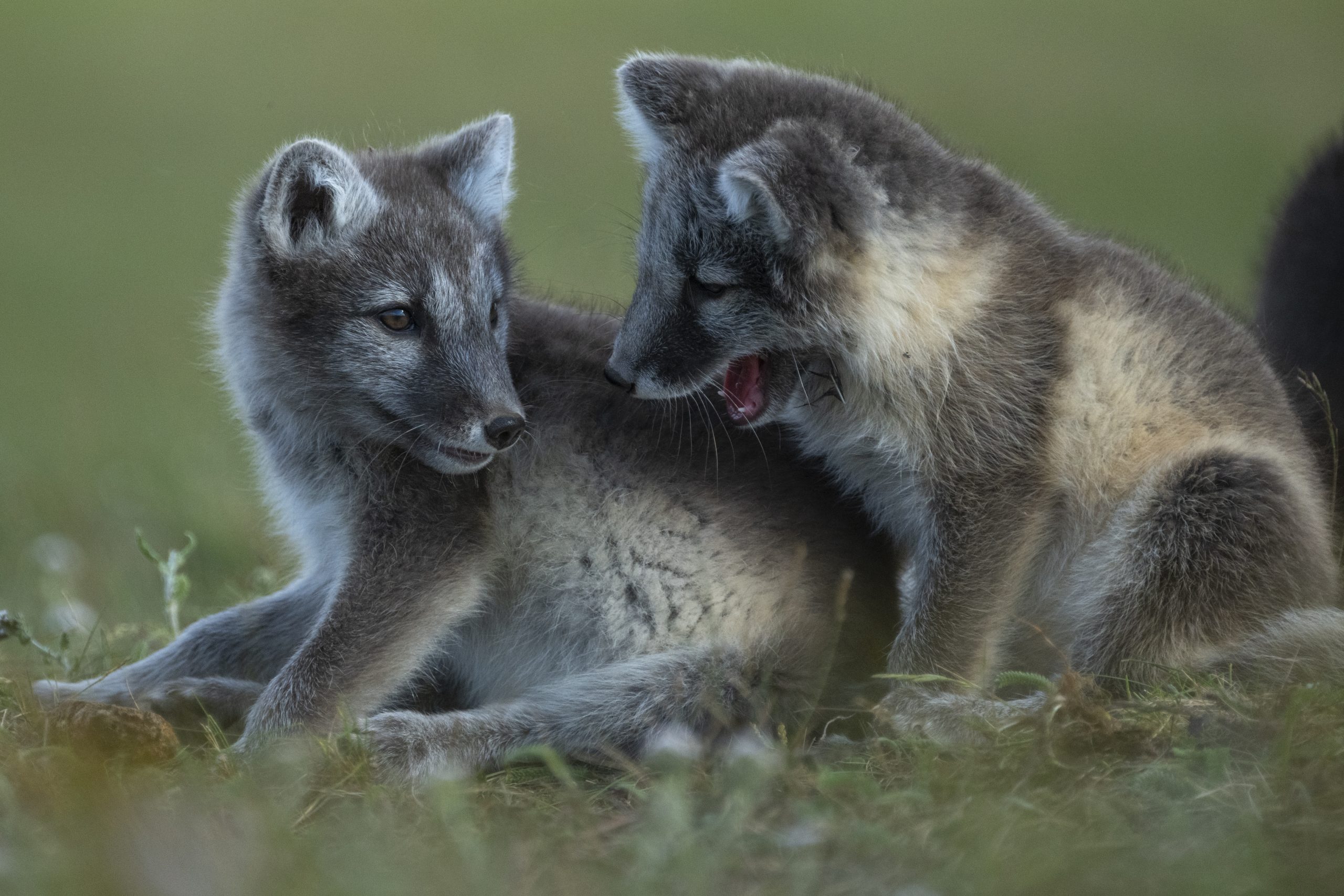
Iceland has a lot of animals, but not so many terrestrial mammals. In fact, the only native terrestrial mammal is the Arctic Fox. In no certain order, here is a list of some of the more common wildlife we could see on this tour:
- Arctic Fox
- Reindeer (introduced and living wild since late 1700's)
- Humpback Whale
- Harbour Seal
- Grey Seal
- Atlantic Puffin
- Northern Fulmar
- Red Throated Loon
- Common Loon
- Great Skua
- Arctic Skua
- Northern Gannet
- Arctic Tern
- Whooper Swan
- Barnacle Goose
- Pink-footed Goose
- Greylag Goose
- Eurasian Shag
- Great Cormorant
- Common Eider
- Black Guillemot
- Harlequin Duck
- Gulls
There are many more bird species we'll encounter on a summer trip but the above list are species we're likely to see without much effort at all.
What kind of camera equipment do you bring on an Iceland Photo Tour?
A summer Iceland photo tour is a great combination of landscape photography and wildlife photography. I like to bring a good selection of lenses and accessories that will serve me well during the course of this 12 day adventure.
What's in my kit:
- Nikon Z8
- Viltrox 16mm f1.8
- Nikon 24-120 f4
- Nikon 100-400 f4.5-5.6
- Camera Backpack with waterproof cover
- Light yet sturdy tripod ~ 60-72 inches tall extended
- Circular polarizer
- Neutral density filters (8, 64, 1000)
- Waterproof camera cover
- Chest harness / camera carrier
- 2ft x 3ft microfiber towel (drying gear in the field)
Overall, I recommend you prepare for all sorts of opportunities. Big waterfalls, canyons, and cliffs might require and ultrawide lens. General landscape and scenery calls for a mid-range telephoto lens (24-120). And wildlife like puffins and foxes will need a super telephoto lens (100-400). As well, I'm fortunate my Circular Polarizer and Neutral Density filters fit both my 16mm and my 24-120mm. I would recommend having these filters for each of those lenses at a minimum.